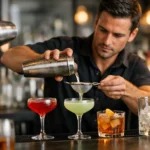
A restaurant cocktail program is no longer judged only by whether it has a decent Old Fashioned and a crowded back bar. Guests notice the glassware, the garnish, the speed of service, the nonalcoholic choices, and whether a $15 drink feels worth ordering again. For job seekers, understanding mixology trends for restaurants means more than knowing what is popular. It means learning the skills employers need on a busy shift.
The strongest restaurant bars are not chasing every social media drink. They are building menus that fit their kitchen, their guest base, their price point, and their staffing level. That is good news for new bartenders: practical technique, product knowledge, and consistency matter more than gimmicks.
Mixology Trends for Restaurants Start With Better Menu Design
Restaurant owners are looking closely at menu profitability. A long cocktail list can look impressive, but it creates problems when every drink needs a different syrup, garnish, glass, or hard-to-find bottle. More ingredients mean more prep, slower ticket times, more waste, and harder training for the team.
That is why streamlined menus remain a major direction. A focused list of well-built cocktails is easier to execute consistently. Many programs are using a handful of versatile ingredients across multiple drinks: one quality citrus blend, a house syrup, a seasonal fruit preparation, or a featured spirit that appears in several serves. The result can still feel creative without turning the service bar into a chemistry lab.
For bartenders, this changes what employers value. You need to read a recipe quickly, understand proper build order, measure accurately, and keep your station organized. A beautiful drink is not profitable if it takes four minutes to make during dinner rush.
Speed Is Part of the Guest Experience
Fast service does not mean careless service. It means setting up correctly before the first ticket prints. Bartenders should know where every bottle, tool, garnish, and glass belongs. They should batch where appropriate, replenish ice before it becomes a problem, and prepare garnishes without over-prepping items that will spoil.
A restaurant may use batching for high-volume drinks such as a house Margarita or a signature spritz. This can improve consistency and reduce ticket times, but batching requires discipline. A bartender must understand portions, dilution, labeling, storage, and when fresh ingredients should be added. It is a skill, not a shortcut.
Low- and No-Alcohol Drinks Are Now Expected
Guests who are not drinking alcohol still want a thoughtful order, especially when they are dining with a group. The days of offering only soda, juice, or a basic Shirley Temple are fading. Restaurants are building zero-proof cocktails with the same attention to balance, presentation, and menu placement as their alcoholic options.
This does not mean every restaurant needs a dozen elaborate zero-proof drinks. A well-designed selection of two or three can be enough, depending on the concept. The best options have structure: acidity from citrus or verjus, bitterness from tea or botanical ingredients, texture from fruit or foam, and an appealing garnish. They should feel like a deliberate cocktail rather than a drink missing its spirit.
Low-ABV choices are also becoming more common. Spritzes, wine-based cocktails, and lighter aperitif-style drinks give guests an option that can work over a longer meal. For a bartender, the key is being able to make recommendations without judgment. A guest may be pacing themselves, driving, taking a break from alcohol, or simply looking for something lighter. Professional hospitality makes room for all of those decisions.
Seasonal Ingredients Need a Practical Plan
Seasonality can make a menu feel connected to the restaurant and the region. In New England, that might mean berries and herbs in warmer months, apple and cranberry in fall, or richer spice and citrus profiles in winter. But seasonal does not automatically mean complicated.
Fresh ingredients bring trade-offs. They can improve flavor and give a menu a clear point of difference, yet they require purchasing discipline, proper storage, prep time, and a plan for using product before it goes bad. A bartender who understands waste control is more valuable than one who only knows how to create an elaborate garnish.
Restaurant managers often prefer ingredients that can work across the beverage and food programs. A rosemary syrup might appear in a cocktail, a zero-proof drink, and a dessert. A citrus oleo-saccharum can add depth to a punch while using peels that might otherwise be discarded. This approach supports flavor, cost control, and smarter prep.
Presentation Still Matters, but It Must Survive Service
Clear ice, dehydrated citrus, edible flowers, and distinctive glassware can make a drink memorable. They also add labor and cost. The right presentation depends on the restaurant. A fine-dining room may justify more detailed finishing work. A high-volume neighborhood restaurant may need a garnish that looks sharp, takes seconds to apply, and holds up through a busy service.
Bartenders should learn the fundamentals behind visual appeal: use clean glassware, correct ice, balanced color, and a garnish that adds aroma or flavor. Avoid treating garnish as decoration alone. A lemon twist over a Martini, for example, changes the first impression of the drink. That is purposeful presentation.
Familiar Classics Are Getting Focused Updates
Guests still order Margaritas, Martinis, Manhattans, Espresso Martinis, and Old Fashioneds because they know what they like. The trend is not to abandon the classics. It is to execute them properly and offer a clear house point of view.
A restaurant might feature a house Margarita with a distinctive salt blend, a seasonal sour with a familiar spirit base, or a Martini service that lets guests choose a preferred gin or vodka. These are approachable choices. They give guests confidence while allowing the bar program to stand apart.
The important lesson for an aspiring bartender is to master classic proportions before trying to reinvent them. Know how shaking differs from stirring. Understand why fresh citrus affects balance. Learn when to strain, when to double strain, and how temperature and dilution change a finished cocktail. Trends move quickly. Core technique stays useful.
Agave Spirits and Regional Flavors Continue to Grow
Tequila and mezcal remain important categories for restaurant menus, but good service requires more than knowing a few brand names. Bartenders should be able to describe broad flavor differences, suggest a spirit based on a guest’s preferences, and avoid presenting one category as interchangeable with another.
At the same time, restaurants are finding value in local and regional stories. That may include locally distilled spirits, New England-inspired ingredients, or beverage pairings that complement a chef’s menu. A local focus can be effective when it is genuine and when the staff can explain it clearly. It becomes less effective when it is used as a label without product knowledge behind it.
What Restaurants Need From Bartenders Right Now
Hiring managers want people who can contribute from their first week. Creativity helps, but it comes after reliability. A job-ready bartender can follow recipes, maintain sanitation, handle responsible alcohol service, communicate with servers, manage multiple tickets, and keep a calm presence when the room fills up.
They also need sales awareness. Suggesting a premium spirit, pairing a cocktail with an entrée, or recommending a zero-proof option can raise check averages when it is done naturally. Pushy selling hurts hospitality. Informed recommendations help guests choose something they will enjoy.
At Innovative Bar Institute, hands-on training is designed around this reality: learning how to work behind a bar, not just how to memorize drinks. For beginners and career changers, that means building confidence with tools, recipes, service standards, and responsible alcohol practices before stepping into a restaurant role.
Build Skills That Outlast the Trend Cycle
The best way to prepare for restaurant bar work is to practice the parts of the job that repeat every shift. Learn proper pours and measurements. Build speed without losing accuracy. Study classic cocktails and the reasons behind their structure. Practice greeting guests, taking clear orders, and recovering professionally when something goes wrong.
Then pay attention to the venue. A seafood restaurant, steakhouse, hotel bar, and casual neighborhood spot may all use different menus, but each needs bartenders who can deliver consistent drinks and strong guest service. The trend that matters most is simple: restaurants are investing in beverage programs that work in the real world. Build the skills to make those programs successful, and you will give employers a reason to remember your name.