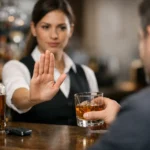
A busy bar can change in minutes. A guest who was relaxed and conversational at 9:00 may be loud, unsteady, or argumentative by 10:30. Knowing when to stop serving guests is not about judging people or ruining a good night. It is a core professional skill that protects the guest, your coworkers, your venue, and your ability to work behind the bar.
For new bartenders, cutting someone off can feel uncomfortable. You may worry about getting a complaint, losing a sale, or starting a confrontation. In practice, the strongest bartenders handle the moment early, calmly, and consistently. They recognize the signs before a situation becomes unsafe.
When to Stop Serving Guests: Look Beyond Drink Count
There is no universal number of drinks that tells you exactly when a person is intoxicated. Body size, food consumption, medications, fatigue, rate of drinking, tolerance, and other factors all affect how alcohol impacts someone. Two guests can order the same number of drinks and show very different levels of impairment.
That is why professional alcohol service depends on observation, not assumptions. Watch how a guest speaks, moves, reacts, and interacts with others. A person may be approaching intoxication if they begin to slur words, lose their train of thought, spill drinks, sway while standing, become unusually loud, or have trouble handling money and a phone.
Behavior matters just as much. Pay attention when a guest becomes overly friendly, confrontational, emotional, inappropriate, or disconnected from what is happening around them. Repeating the same story, arguing about a tab, forgetting an order they just placed, or attempting to buy rounds for strangers can all be warning signs.
One sign alone does not always mean someone is intoxicated. A guest may have a speech difference, a disability, anxiety, or simply be tired. The professional response is to assess the full picture, avoid labels, and follow your venue’s service policy.
Act Early Instead of Waiting for a Crisis
The best time to slow service is before a guest is clearly impaired. Offer water with drinks, suggest food when available, and give the guest time between rounds. If someone is drinking quickly, you can say, “I can bring you a water while I get the next round together,” or “Let’s get some food in first.”
These small steps can change the direction of the night without creating embarrassment. They also give you time to observe whether the guest settles down or continues to show signs of impairment.
Do not let sales pressure override your judgment. A few additional drinks are never worth an injury, a fight, a drunk-driving incident, a damaged business reputation, or possible legal consequences. Responsible service is not separate from hospitality. It is part of hospitality.
Watch for Changes, Not Just a Single Moment
Bartenders should establish a baseline early. Notice how a guest is speaking and moving when they arrive. Later, it becomes easier to recognize a meaningful change in behavior.
This is especially useful during concerts, weddings, sporting events, and high-volume weekends. Guests may appear energized because the room is loud and exciting, but escalating behavior should still be addressed. Coordinate with your barback, servers, manager, and security team so no one person is trying to monitor every guest alone.
How to Cut Off a Guest Professionally
Once you decide to stop alcohol service, be clear and respectful. Do not negotiate, lecture, or diagnose the guest as drunk. Focus on what you can do next.
A direct statement works best: “I’m not able to serve another alcoholic drink tonight, but I can get you water, soda, or food.” Keep your tone level. Avoid apologizing excessively or making the decision sound optional.
If the guest asks why, repeat the boundary without arguing. “I understand you’re disappointed. I’m still not able to serve another alcoholic drink.” The more you explain, the more room you create for debate.
Whenever possible, speak privately or quietly rather than making an announcement in front of friends. Public embarrassment can make a guest defensive. If they are with a group, you can continue serving guests who are acting responsibly, but make sure the cut-off guest cannot receive alcohol through someone else.
Ask a manager, coworker, or security professional to support you early. This is not a sign that you cannot handle the situation. It is good judgment. A manager can reinforce the decision, arrange transportation, or step in if the guest becomes disruptive.
Keep the Guest and the Public Safe
Stopping alcohol service is only one part of the job. If a guest appears unable to drive safely, help create a safer exit plan. Depending on venue policy, that may mean encouraging a sober friend to drive, helping arrange a rideshare or taxi, contacting a manager, or allowing the guest to wait in a safe area while transportation is arranged.
Do not physically take keys, physically restrain a guest, or put yourself in danger. Your role is to alert the appropriate people, follow your employer’s procedures, and involve security or law enforcement when a situation becomes threatening.
Documentation also matters. If an incident occurs, write down factual details as soon as possible: the time, drinks served, observed behaviors, statements made, who was notified, and what actions were taken. Avoid opinions and insults. “Guest stumbled while walking to the restroom and spoke with slurred speech” is more useful than “Guest was wasted.”
Accurate notes can protect the business and help managers identify service problems, staffing needs, or recurring issues.
Common Mistakes That Put Bartenders at Risk
Some service mistakes happen because a bartender is trying to be nice. Others happen because the bar is understaffed and moving fast. Either way, these habits can create serious risk:
Serving one “final” drink after deciding a guest has had enough.
Letting a friend order alcohol for a cut-off guest.
Ignoring visible impairment because the guest is a regular, a big spender, or part of a large party.
Arguing at length rather than calling a manager or security.
Assuming coffee, food, or a cold shower will sober someone up quickly.
Failing to communicate a cut-off to the rest of the team.
Coffee may make someone feel more awake, but it does not remove alcohol from their system. Time is the only thing that reduces intoxication. That fact should shape every transportation and safety decision you make.
Your Venue Policy and Local Requirements Matter
Every bar and restaurant should have a written alcohol service policy. Learn it before your first busy shift. Know who has authority to cut off a guest, when to call a manager, how incidents are documented, and what the venue expects from staff when transportation is needed.
In Rhode Island and throughout New England, alcohol service carries real responsibilities. State requirements, local rules, insurance expectations, and employer policies can all affect how an incident is handled. Your workplace policy may be stricter than the minimum legal standard, and you should follow it. When you are unsure, pause service and involve a manager rather than guessing.
Training gives bartenders a better framework for these decisions. Programs such as TIPS certification teach servers how to identify risk, prevent service to minors or intoxicated guests, communicate under pressure, and reduce liability. At Innovative Bar Institute, students practice the professional habits that employers expect before they step into a real service job.
Confidence Comes From Preparation
The goal is not to become suspicious of every guest or to make the bar feel unwelcoming. Most people can enjoy alcohol responsibly. Your job is to notice the point where continued service may create harm and respond with confidence.
A calm cut-off can protect someone from a bad decision, prevent a conflict from spreading through the room, and show your manager that you are ready for greater responsibility. The guest may not thank you in the moment. But professional bartending means making the right call even when it is not the easiest one.
Treat every decision with respect, communicate with your team, and trust the training behind your judgment. That is how you keep hospitality safe while building the reputation of a bartender employers want on their staff.